Skip to content
KWKyoto WayfinderAn independent Kyoto travel guide

Kyoto journeys

Discover More Kyoto

Go beyond Kyoto's most famous sights.

Beyond the icons

Where to go on a second Kyoto trip

Move beyond the checklist. Explore mountain temples, intimate gardens, lived-in neighborhoods and the quieter edges of Kyoto.

01

Ohara & Sanzen-in Temple

Ohara & Sanzen-in Temple

★★★★★

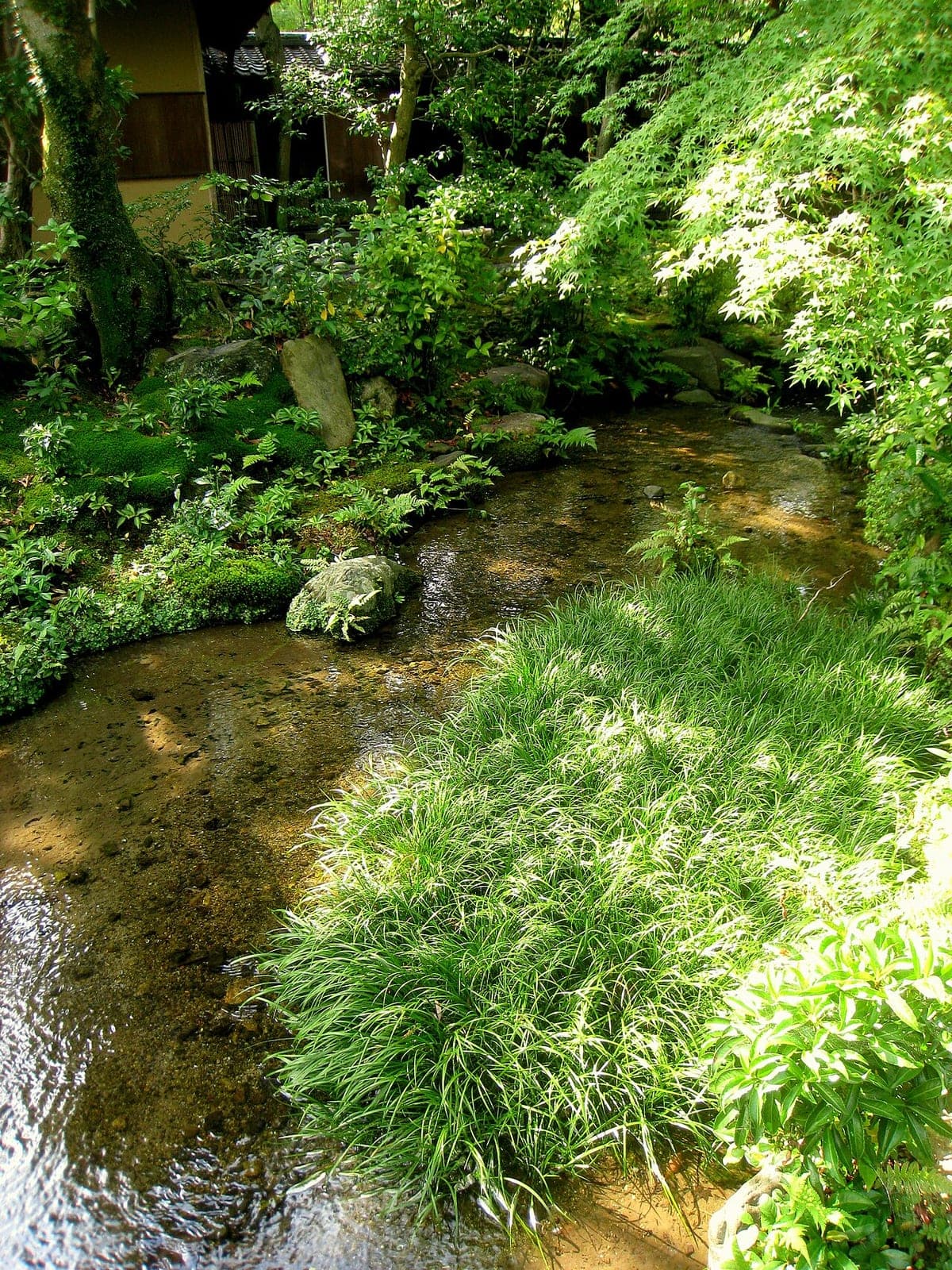
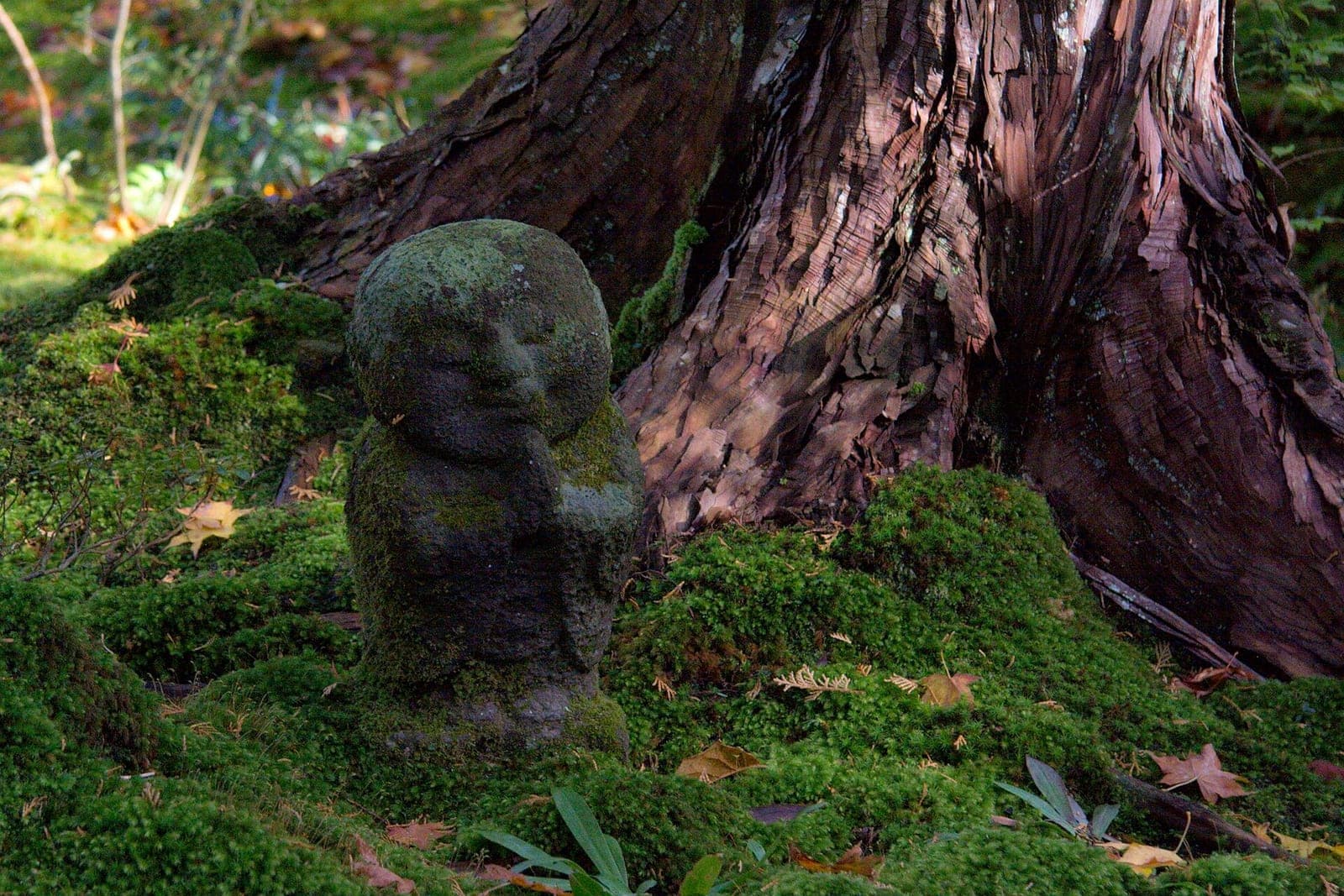
A northern mountain village of streams, fields, stone walls, old temples and moss gardens. Sanzen-in's quiet grounds make Ohara one of the strongest choices for a second Kyoto trip.

Allow
Half a day to a full day
Best season
Early summer, rainy season or autumn
Best for
Quiet gardens, photography and rural scenery
Suggested route

Sanzen-in → Hosen-in → Shorin-in → Raigo-in → Jakko-in

Look for

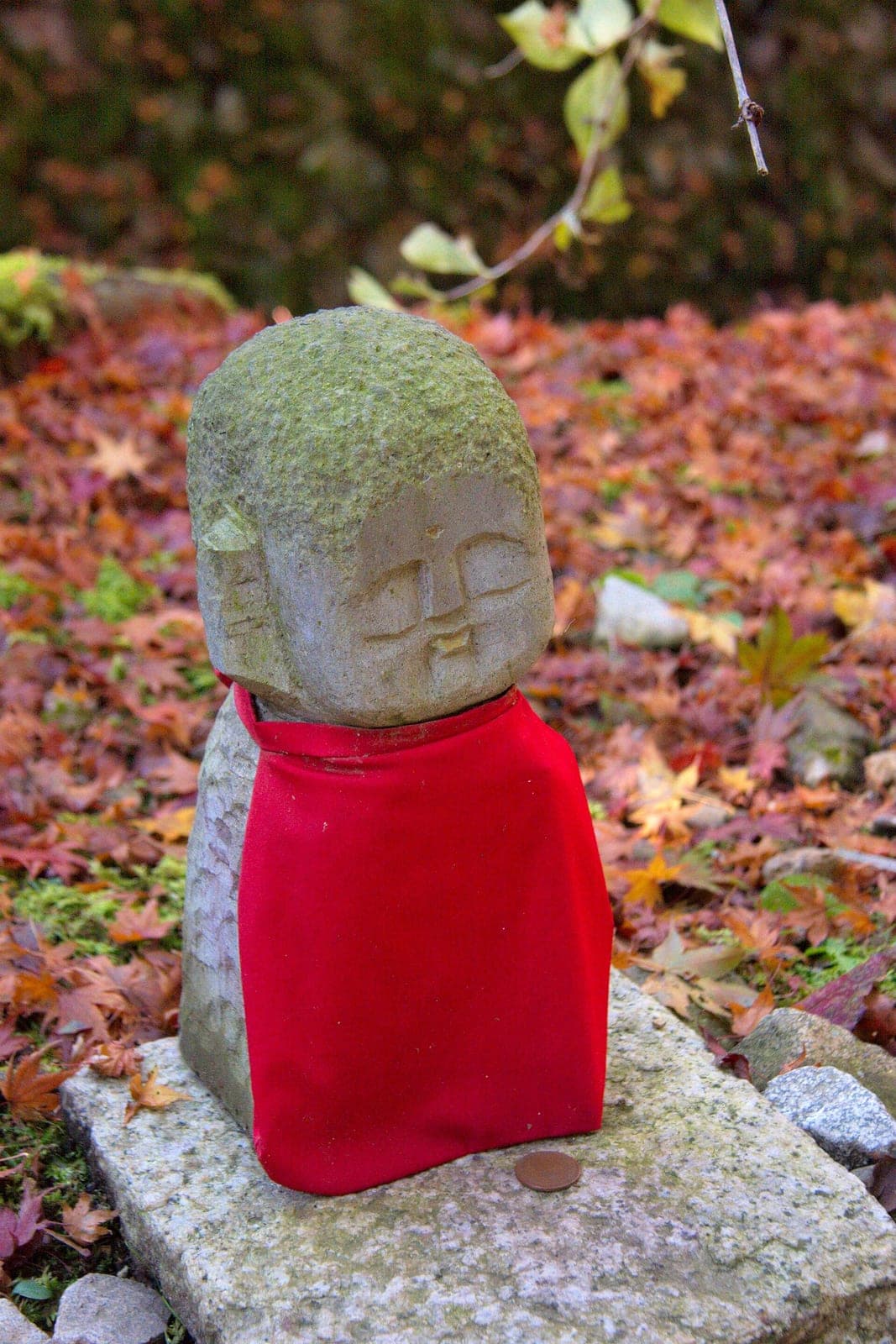
Yusei-en moss gardenOjo Gokuraku-in HallWarabe Jizo figuresVillage food and red shiso

Ohara also has small cafés, pickles, local cooking and hot springs. Let the area fill the day instead of rushing back to central Kyoto.
02

Kifune Shrine

Kifune Shrine

★★★★★

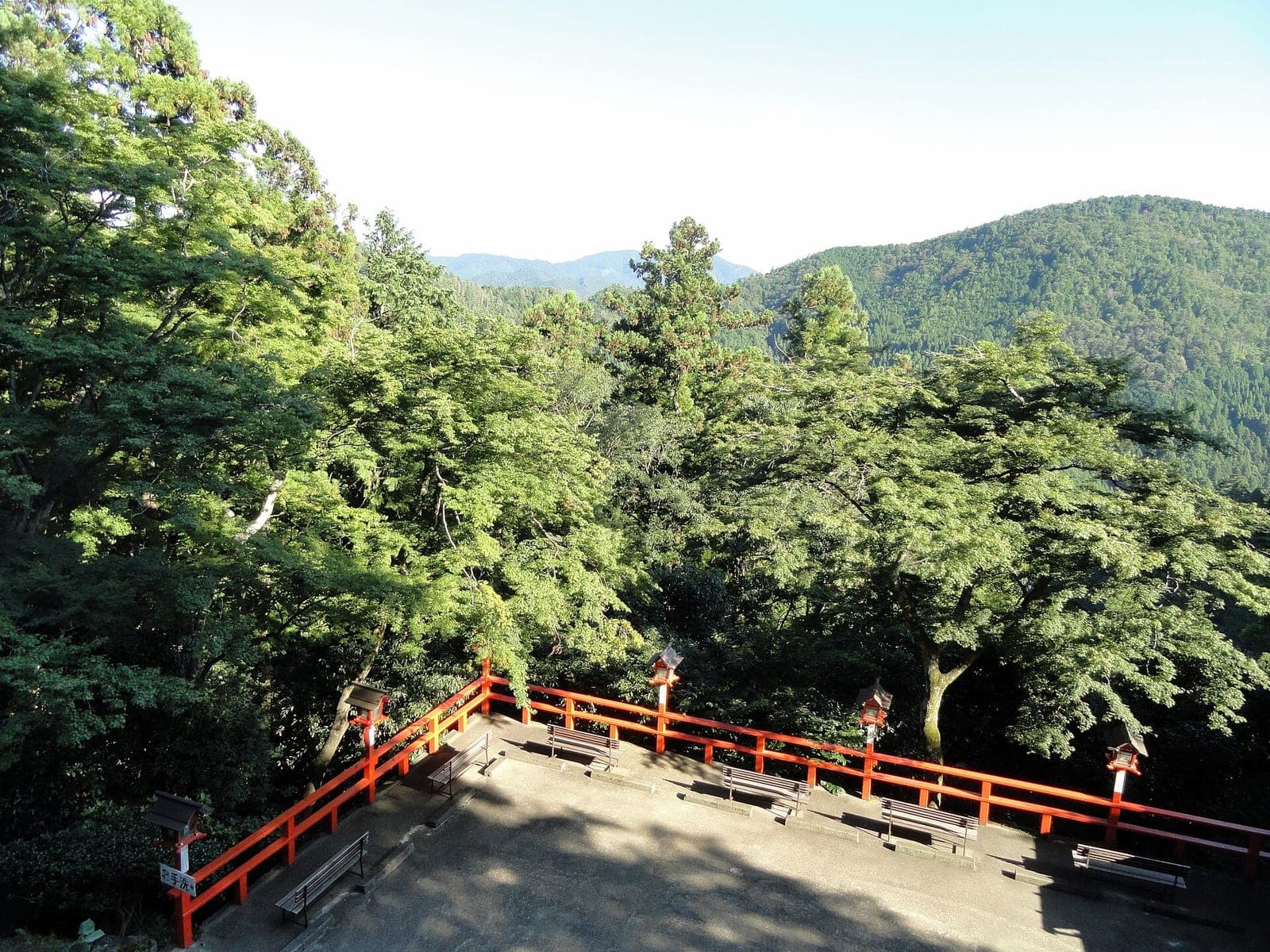
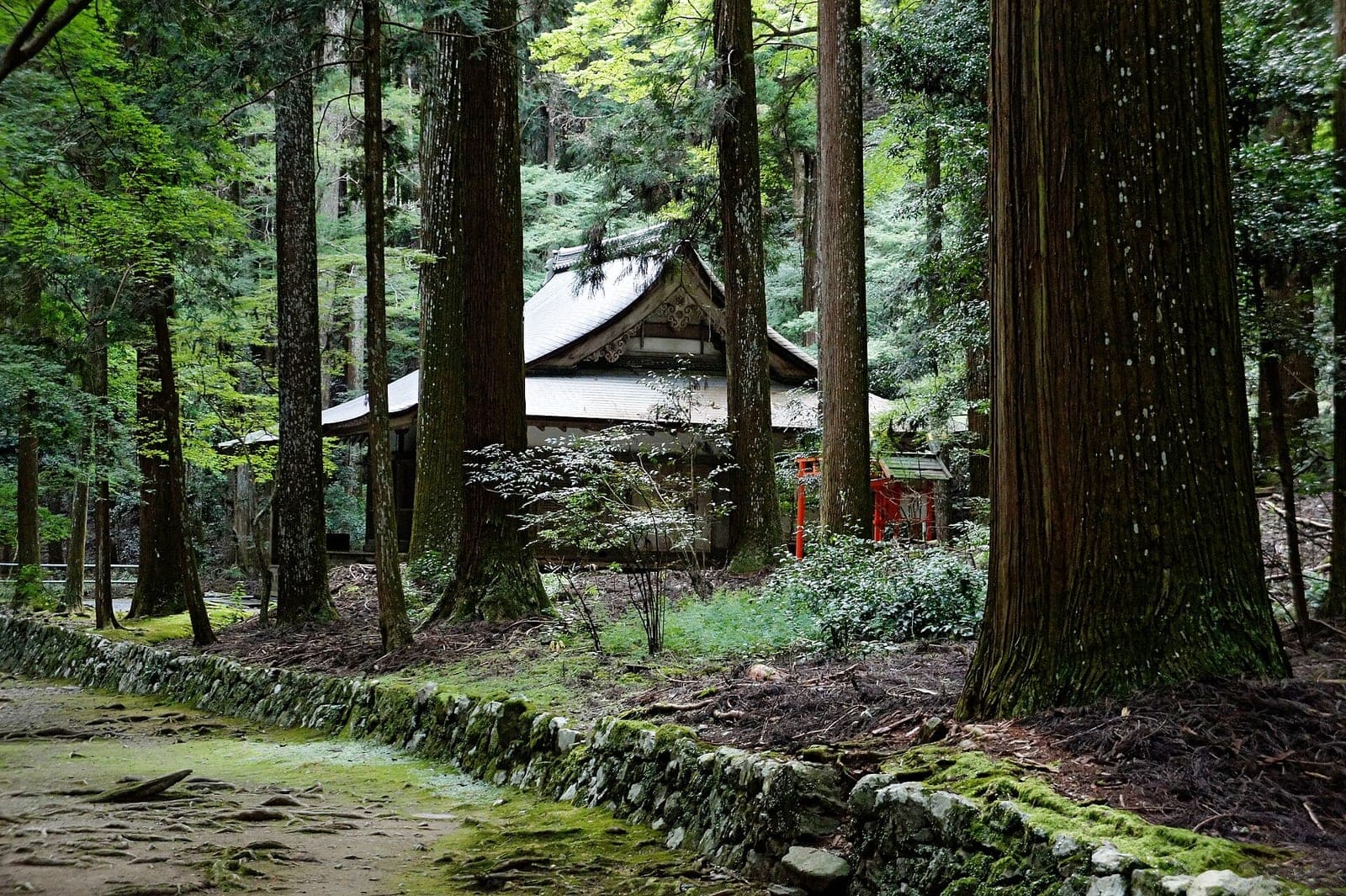
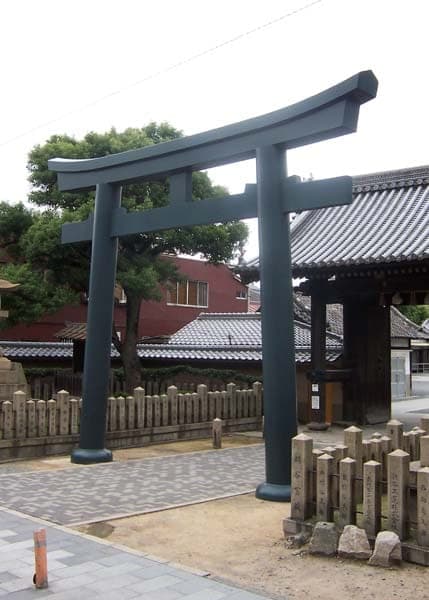
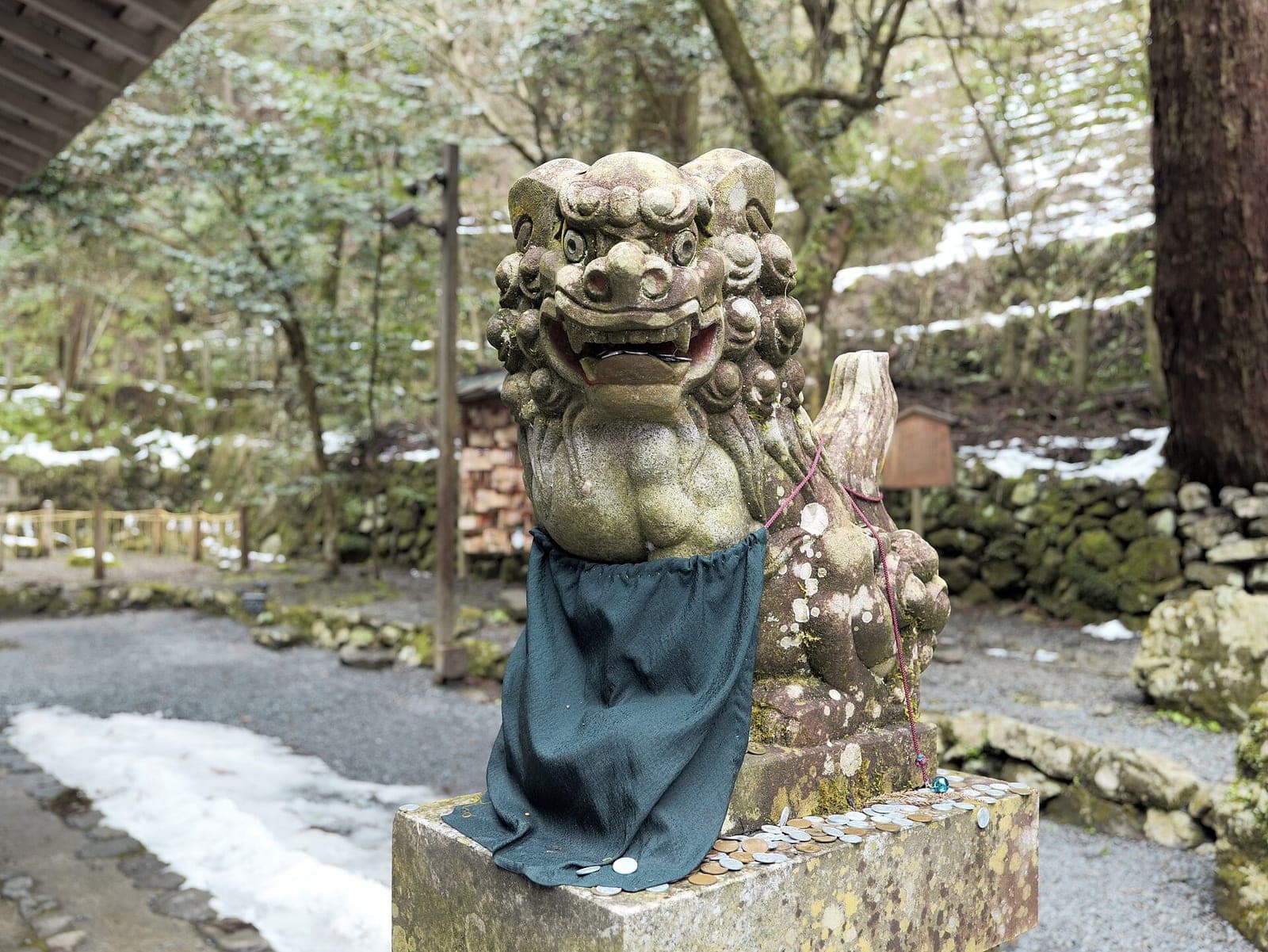
A shrine to the deity of water set deep in a northern valley. River sound, forest shade and the lantern-lined approach create a quieter atmosphere than Kyoto's major central shrines.

Allow
2–3 hours
Best season
Summer, rainy days, autumn or snow
Best for
Shrine culture, rivers, forest and seasonal dining

Look for

Main sanctuaryWater fortune slipsKibune River walkSummer kawadoko diningAutumn leaves and winter snow

From Kibuneguchi Station, continue by Kyoto Bus 33. Summer kawadoko restaurants often require advance booking.

03

Kurama-dera & Mount Kurama

Kurama-dera & Mount Kurama

★★★★★

A mountain temple and forest pilgrimage rather than a single sight. The classic crossing threads through cedar woods, stone steps, ancient roots and sites tied to mountain worship.

Allow
Half a day
Best season
Mild, dry weather; avoid ice and heavy rain
Best for
Moderate hiking, forest, myth and mountain faith

Suggested route

Kurama Station → Yuki Shrine → Kurama-dera → Kinone-michi → Mao-den Hall → Kifune

Kurama and Kifune share the Eizan Railway corridor and combine well. If fitness or weather is uncertain, visit each separately rather than forcing the full mountain crossing.

04

Nanzen-ji & Murin-an Garden

Nanzen-ji & Murin-an Garden

★★★★★

A layered district where Zen architecture, Meiji-era waterworks, villa gardens and modern Kyoto history overlap. On a second visit, look beyond Nanzen-ji's main gate and explore the spaces around it.

Allow
3–4 hours
Best for
Architecture, gardens, history and photography

Suggested route

Keage Incline → Nanzen-ji Sanmon → Suirokaku Aqueduct → Nanzen-in → Tenju-an → Murin-an

Look for

Sanmon GateBrick aqueductHojo and Tenju-an gardensMurin-an's modern gardenLake Biwa Canal heritage

05

Philosopher's Path in Depth

Philosopher's Path in Depth

★★★★

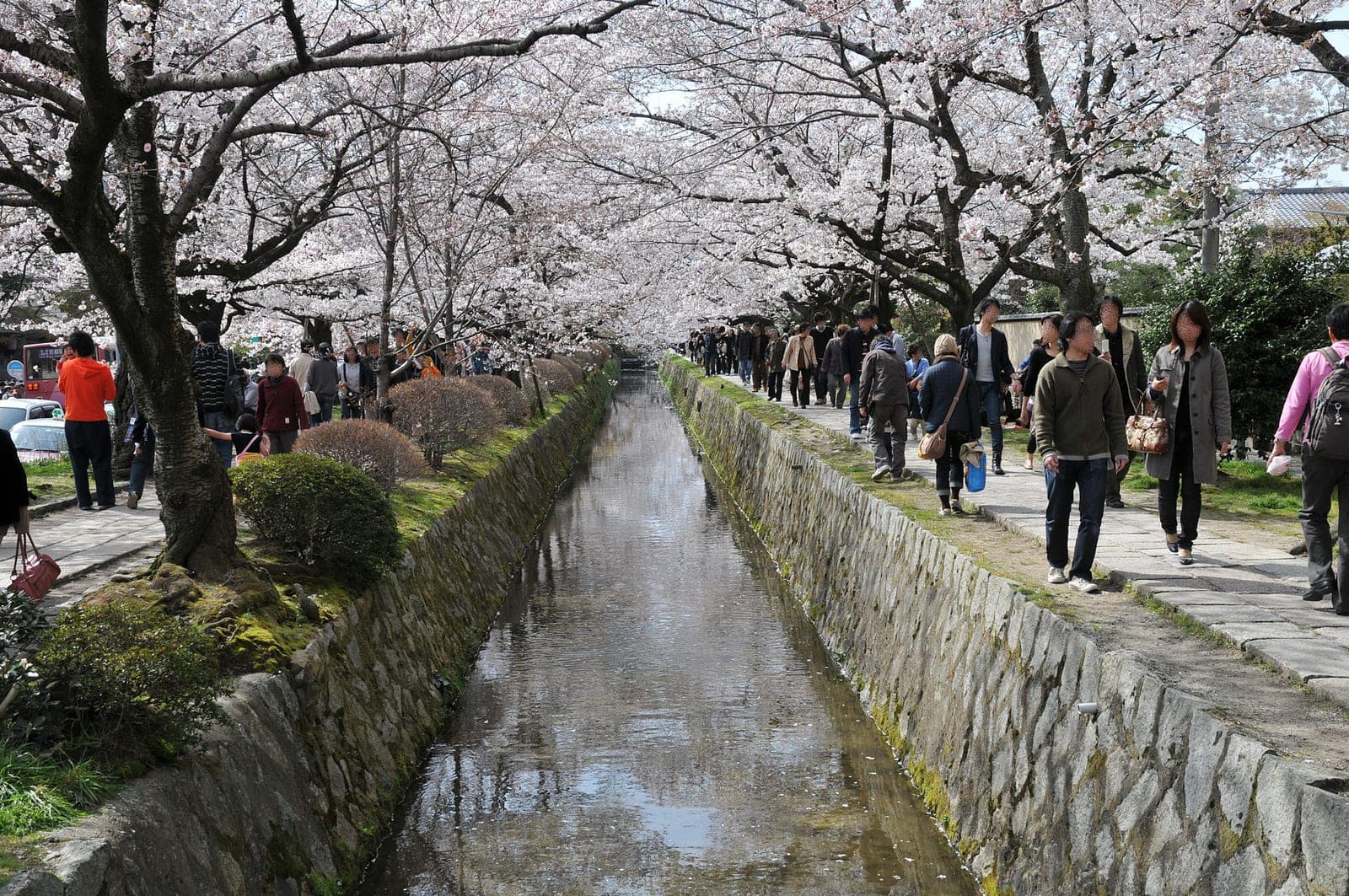
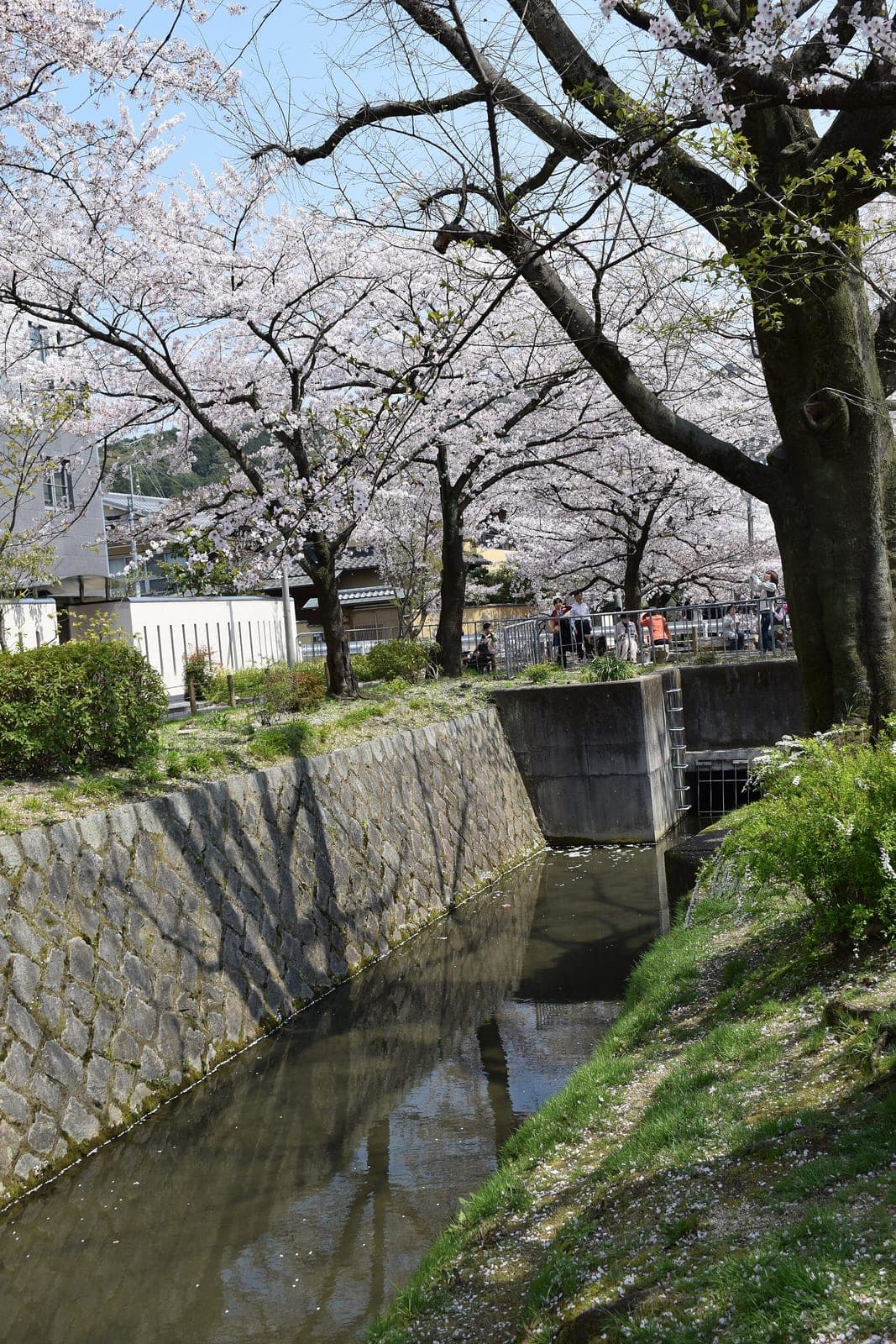
The canal path is only the thread. The deeper experience lies in its small temples, residential lanes, cafés and changing seasonal light.

Allow
Half a day
Best season
Cherry blossom, fresh green or autumn
Best for
Slow walking, photography and small temples

Suggested route

Nanzen-ji → Eikan-do → Philosopher's Path → Honen-in → Anraku-ji → Ginkaku-ji

Look for

Eikan-do and its autumn colorHonen-in's thatched gate and sand moundsAnraku-ji special openings

Anraku-ji opens on limited dates. Confirm current access before building the day around it.

06

Nishijin & Kitano Tenmangu

Nishijin & Kitano Tenmangu

★★★★

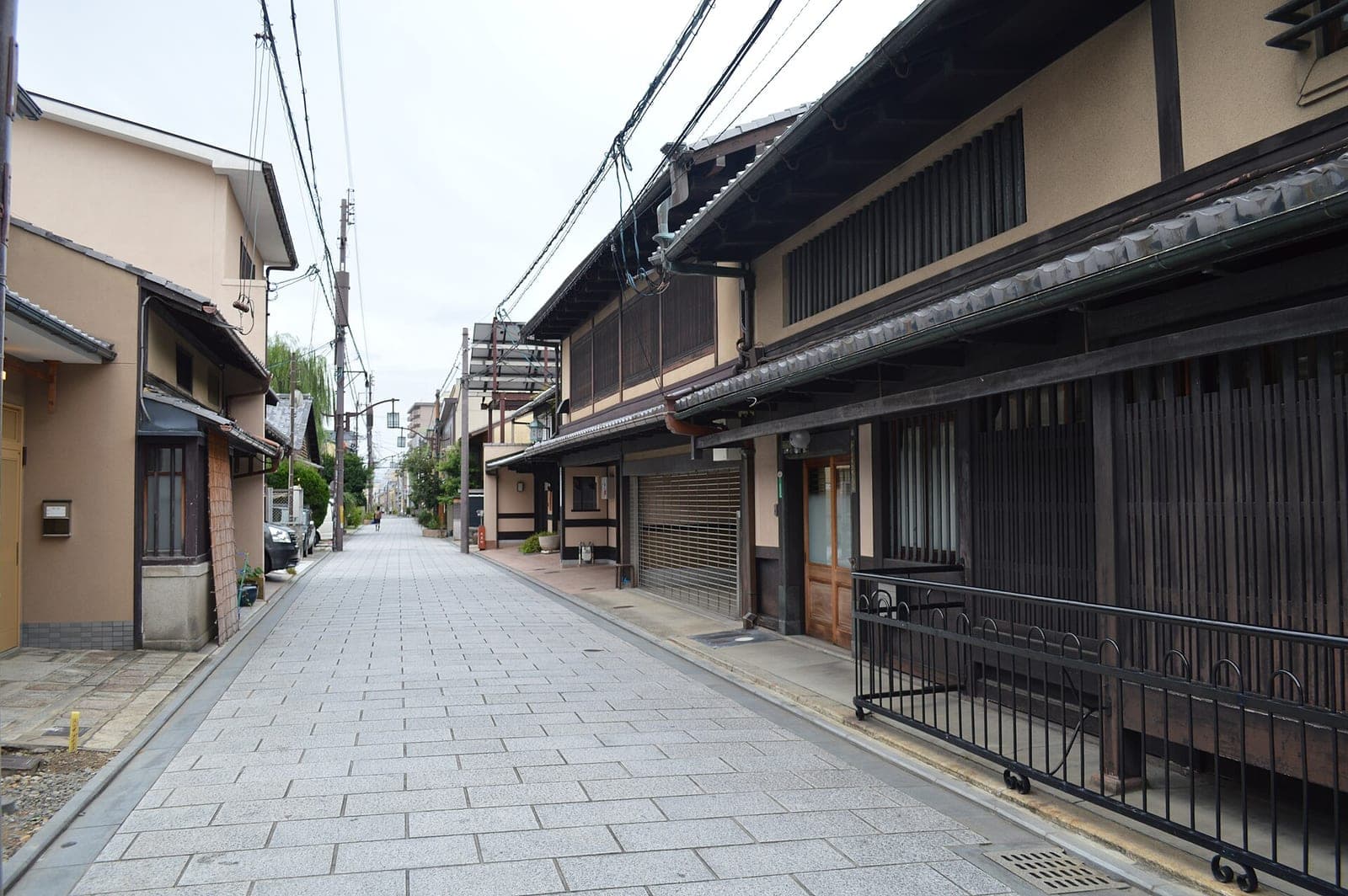
A lived-in area of machiya houses, textile workshops, small shrines and old businesses. It rewards curiosity rather than a checklist of major sights.

Allow
Half a day
Best for
Craft, machiya, markets and cultural depth

Suggested route

Kitano Tenmangu → Kamishichiken → Nishijin textile workshop → Daitoku-ji

Look for

Plum blossom and maple gardenTenjin market on the 25thKamishichiken geiko districtNishijin textile culture

07

Daitoku-ji Temple Complex

Daitoku-ji Temple Complex

★★★★★

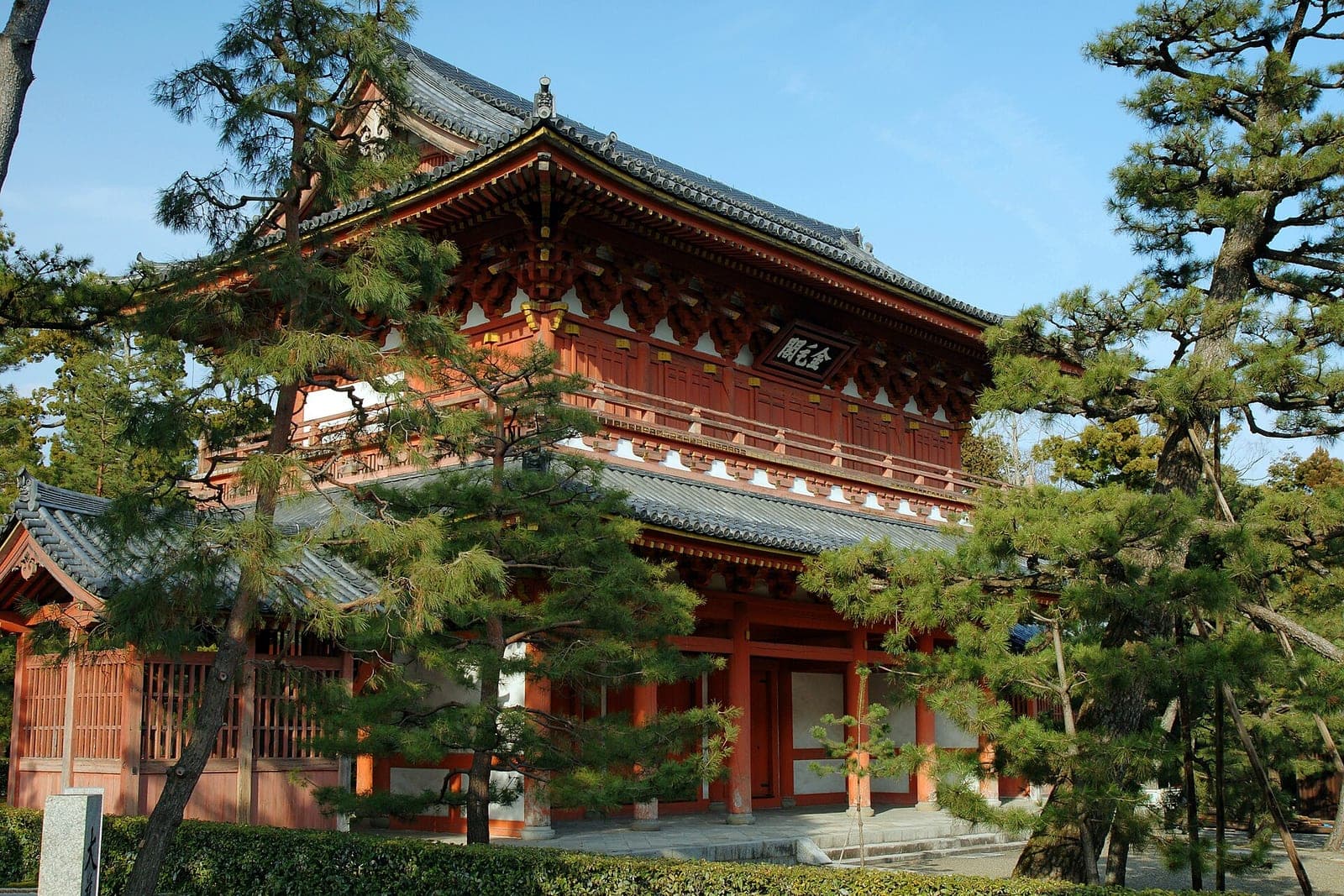
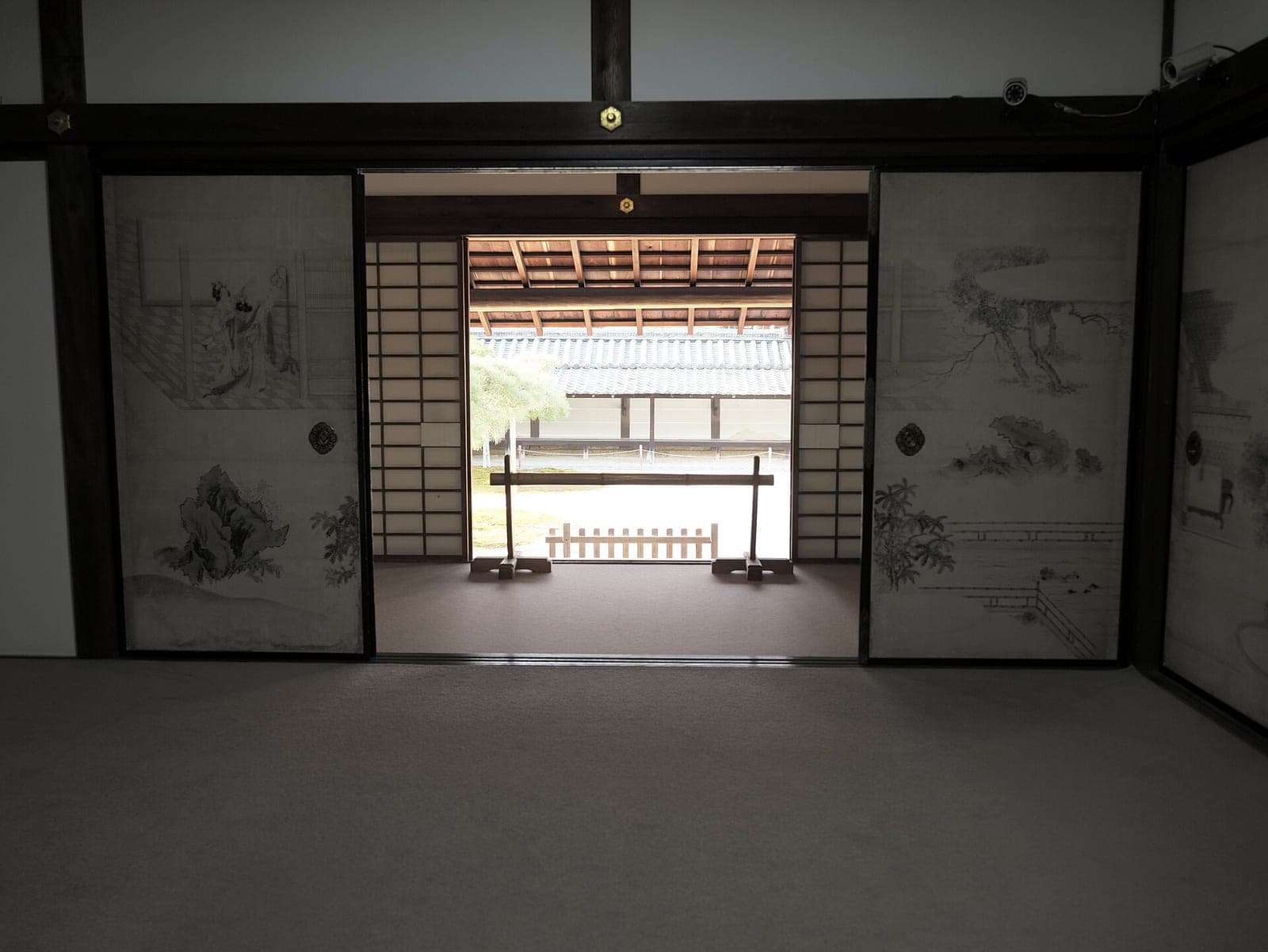
Daitoku-ji is a village-like complex of Zen sub-temples rather than one monument. Its dry gardens, tea culture and layered architecture reward a slow selection of two or three precincts.

Allow
2–3 hours
Best for
Zen, dry gardens, tea and architecture

Look for

Daisen-inRyogen-in and Zuiho-inKoto-inObai-in and Korin-in

Opening schedules differ by sub-temple, and some open only during special spring or autumn periods. Check current access before visiting.

08

Fushimi Sake District

Fushimi Sake District

★★★★

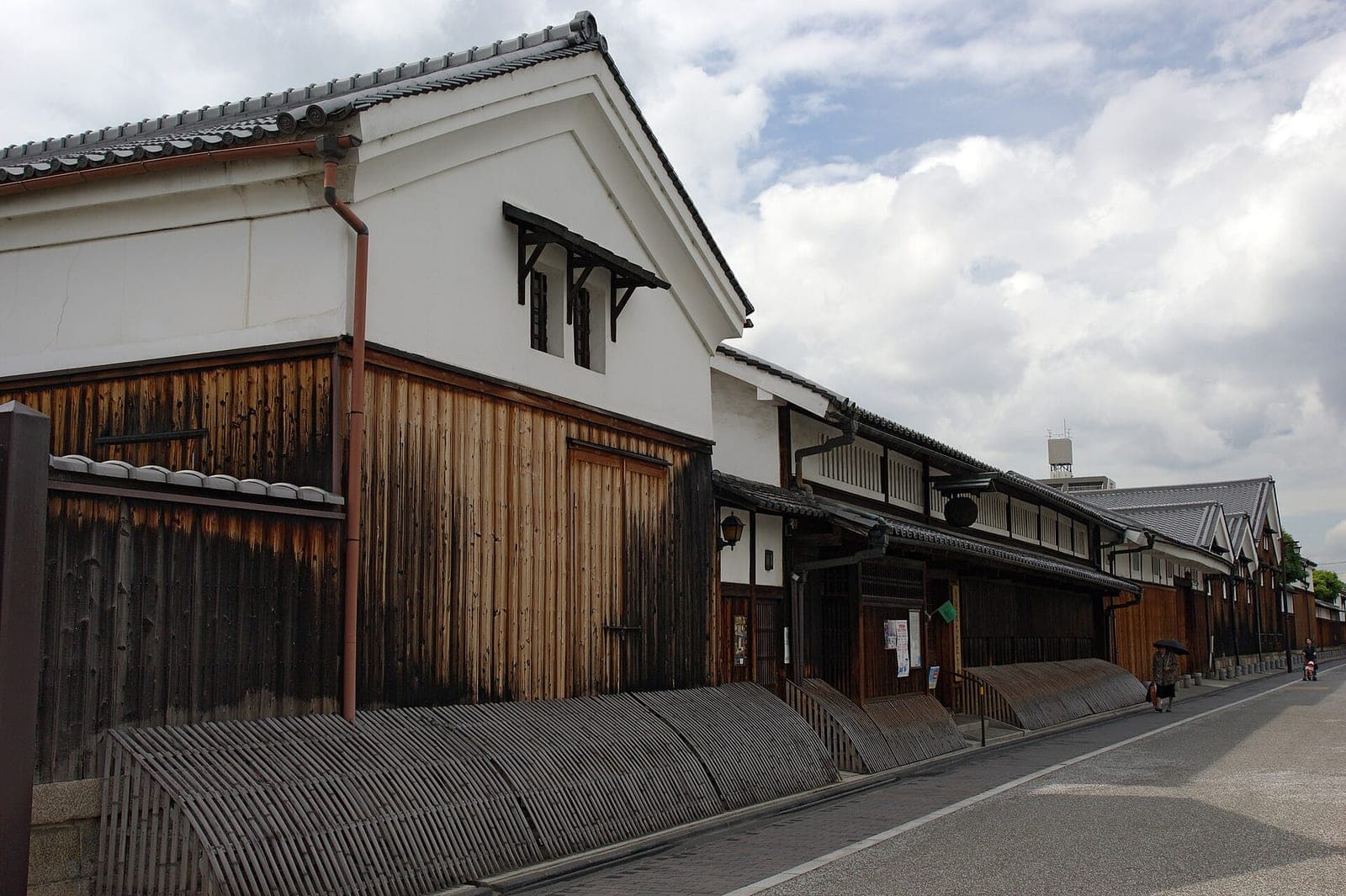
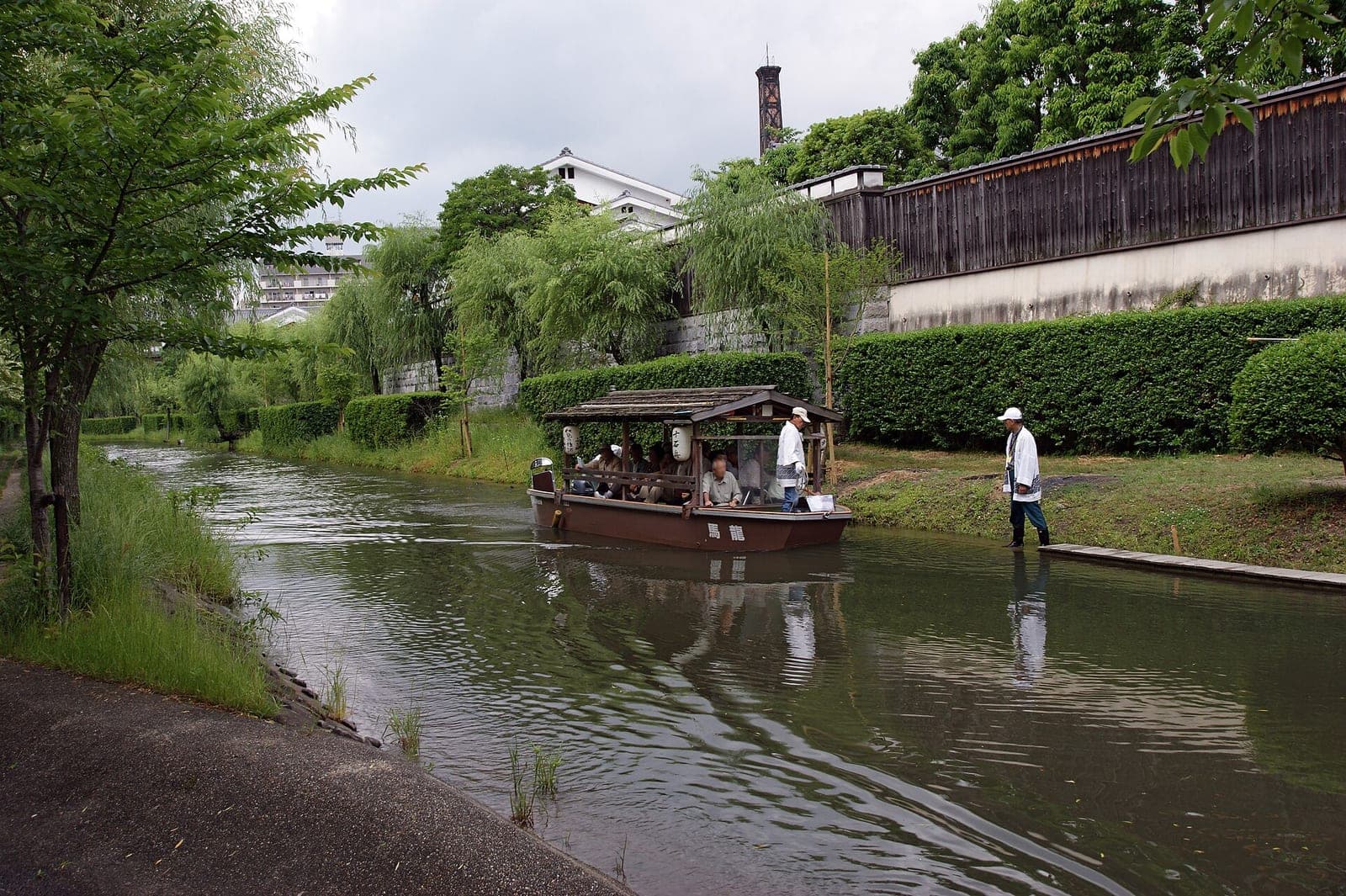
Beyond Fushimi Inari lies a former port town of willow-lined canals, traditional breweries and stories of Edo-period river transport.

Allow
Half a day
Best for
Sake, history, neighborhood walks and adult trips

Suggested route

Fushimi-Momoyama Station → Otesuji Arcade → Gekkeikan Museum → Jikkokubune → Ujigawa Canal → Teradaya → Chushojima

Look for

Historic waterwaysTraditional sake breweriesSake tastingSakamoto Ryoma historyLocal shopping street

09

Tofuku-ji & Sennyu-ji

Tofuku-ji & Sennyu-ji

★★★★

Tofuku-ji's scale, bridges and modern garden design remain compelling outside foliage season. Nearby Sennyu-ji has imperial ties and a noticeably calmer approach.

Allow
Half a day
Best season
Morning or outside peak foliage season
Best for
Zen, gardens, photography and history

Suggested route

Tofuku-ji → Komyo-in → Sennyu-ji → Imakumano Kannon-ji

Look for

Tsutenkyo BridgeHojo gardensSanmon and KaisandoQuiet imperial temple precinct

Tofuku-ji is extremely busy at peak autumn color. Arrive early or choose another season for a calmer visit.

10

Takao: Jingo-ji, Kozan-ji & Saimyo-ji

Takao: Jingo-ji, Kozan-ji & Saimyo-ji

★★★★★

Three mountain temple areas northwest of Kyoto form the historic Sanbi route. River valleys, cedar forest and thousand-year-old precincts make Takao feel far removed from the center.

Allow
Half a day to a full day
Best season
Fresh green or autumn
Best for
Mountain temples, walking, nature and heritage

Suggested route

Jingo-ji → Saimyo-ji → Kozan-ji

Look for

Jingo-ji's large precinct and stone stepsRiverside Saimyo-jiKozan-ji and the Choju-jinbutsu-giga tradition

11

Katsura or Shugakuin Imperial Villa

Katsura or Shugakuin Imperial Villa

★★★★★

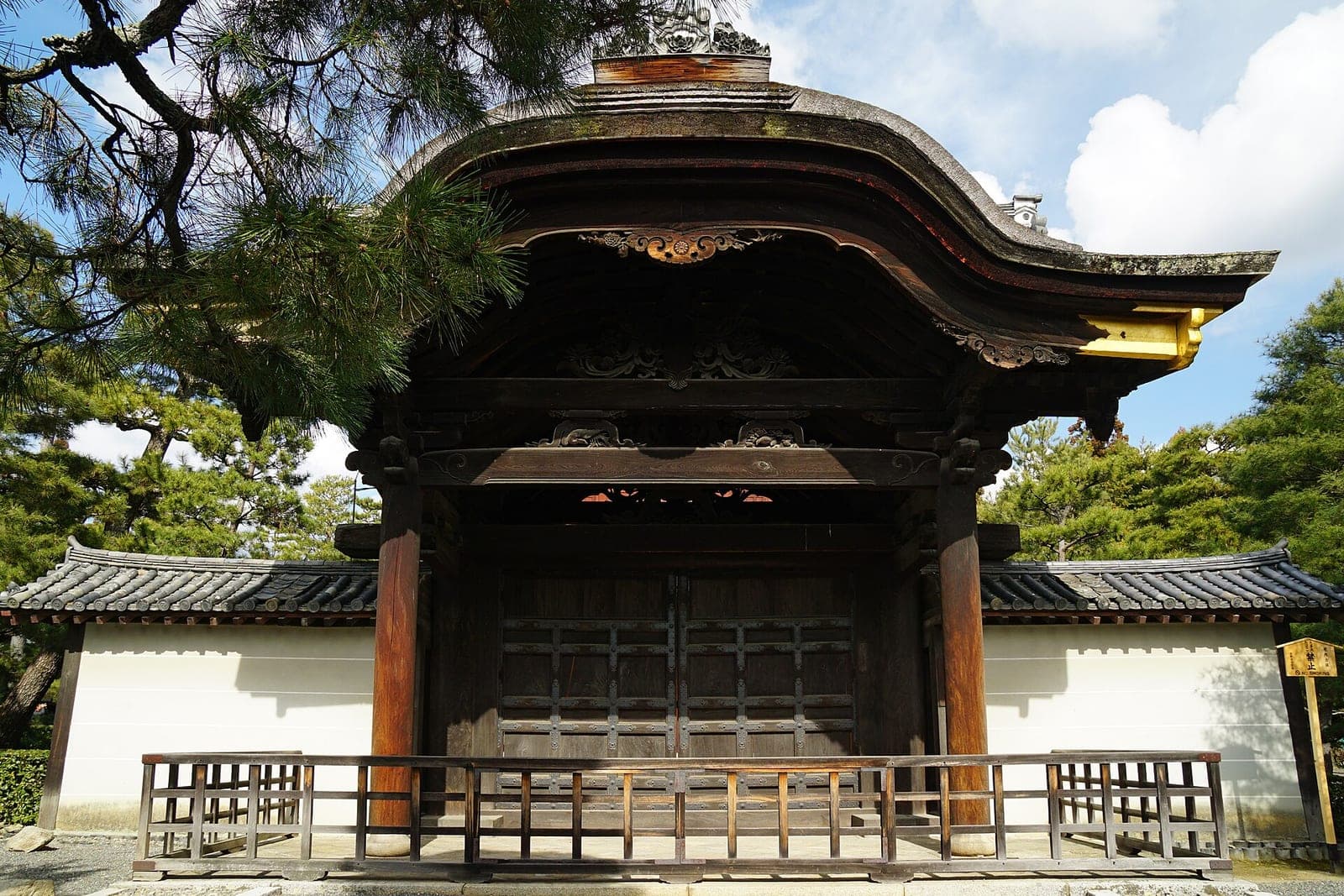
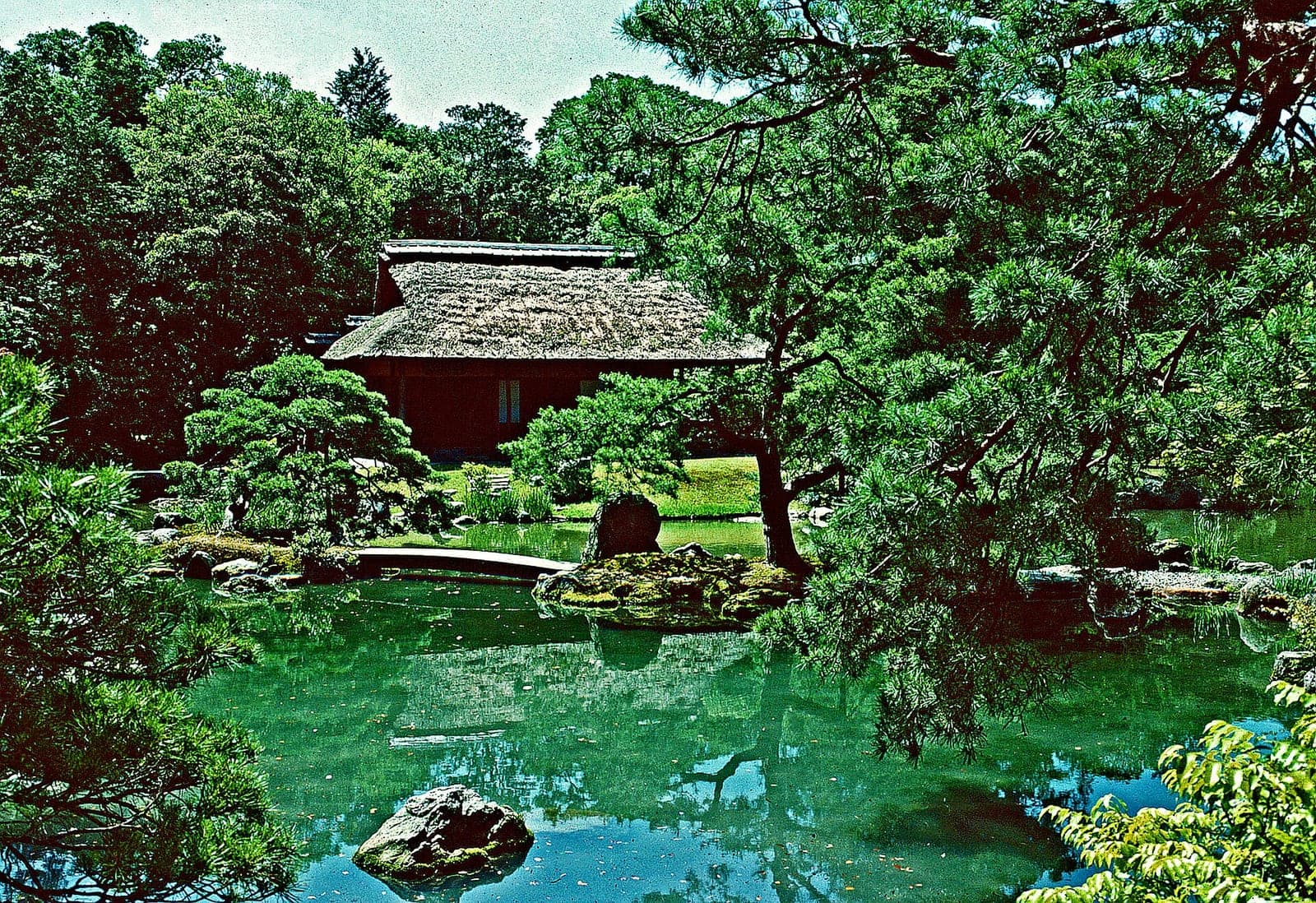
These villas suit a second trip because the focus shifts from famous monuments to composition, borrowed scenery and the movement through a Japanese garden.

Allow
Choose one villa; allow half a day with travel
Best season
By reservation; check current visit dates
Best for
Architecture, design and garden specialists

Look for

Katsura's stroll garden and teahousesPrecise proportions and borrowed sceneryShugakuin's broad hillside landscape

Visits follow Imperial Household Agency rules and normally require an application. Procedures may change, so use the official guide before planning.

12

Yamashina: Bishamon-do & Canal

Yamashina: Bishamon-do & Canal

★★★★

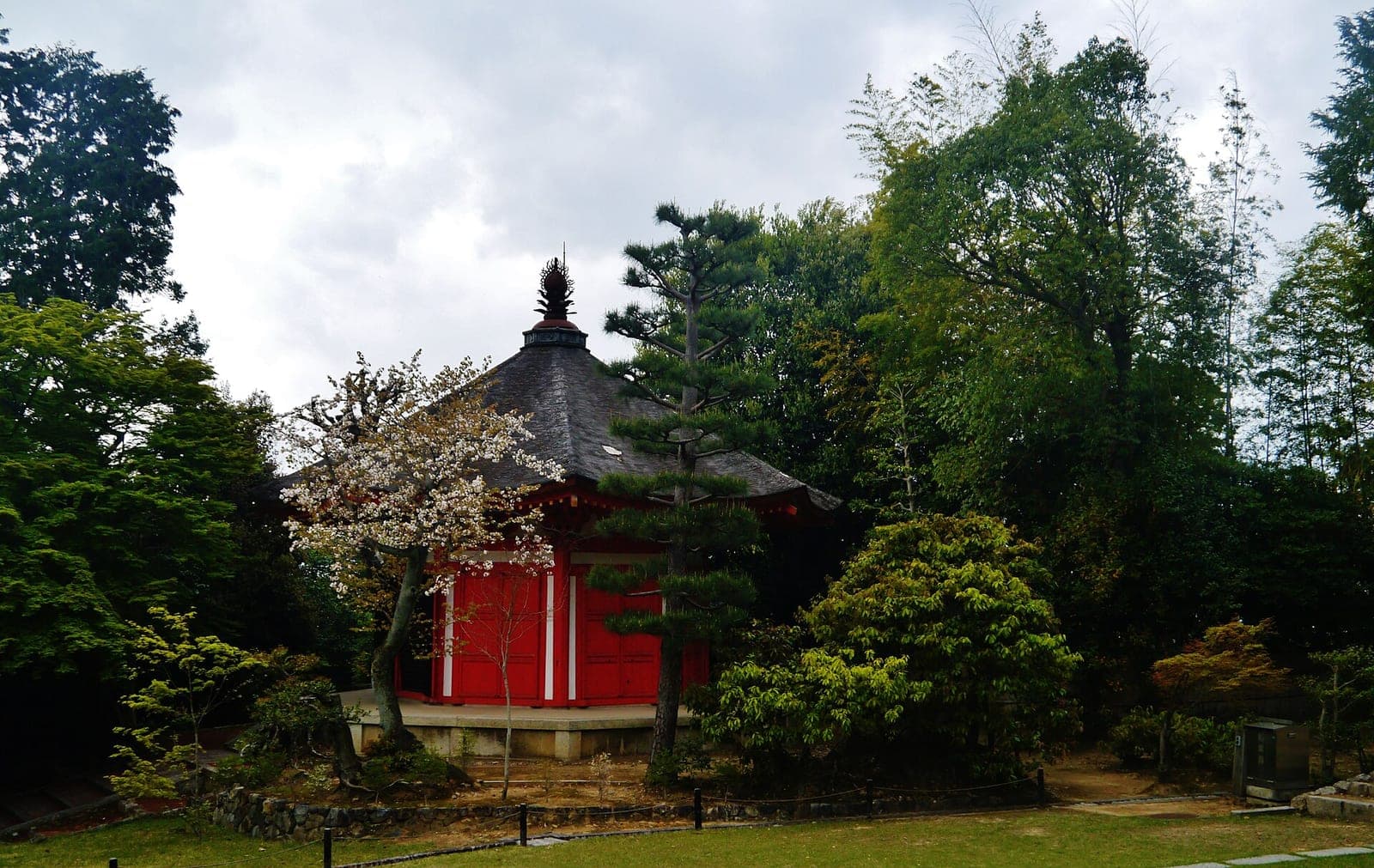
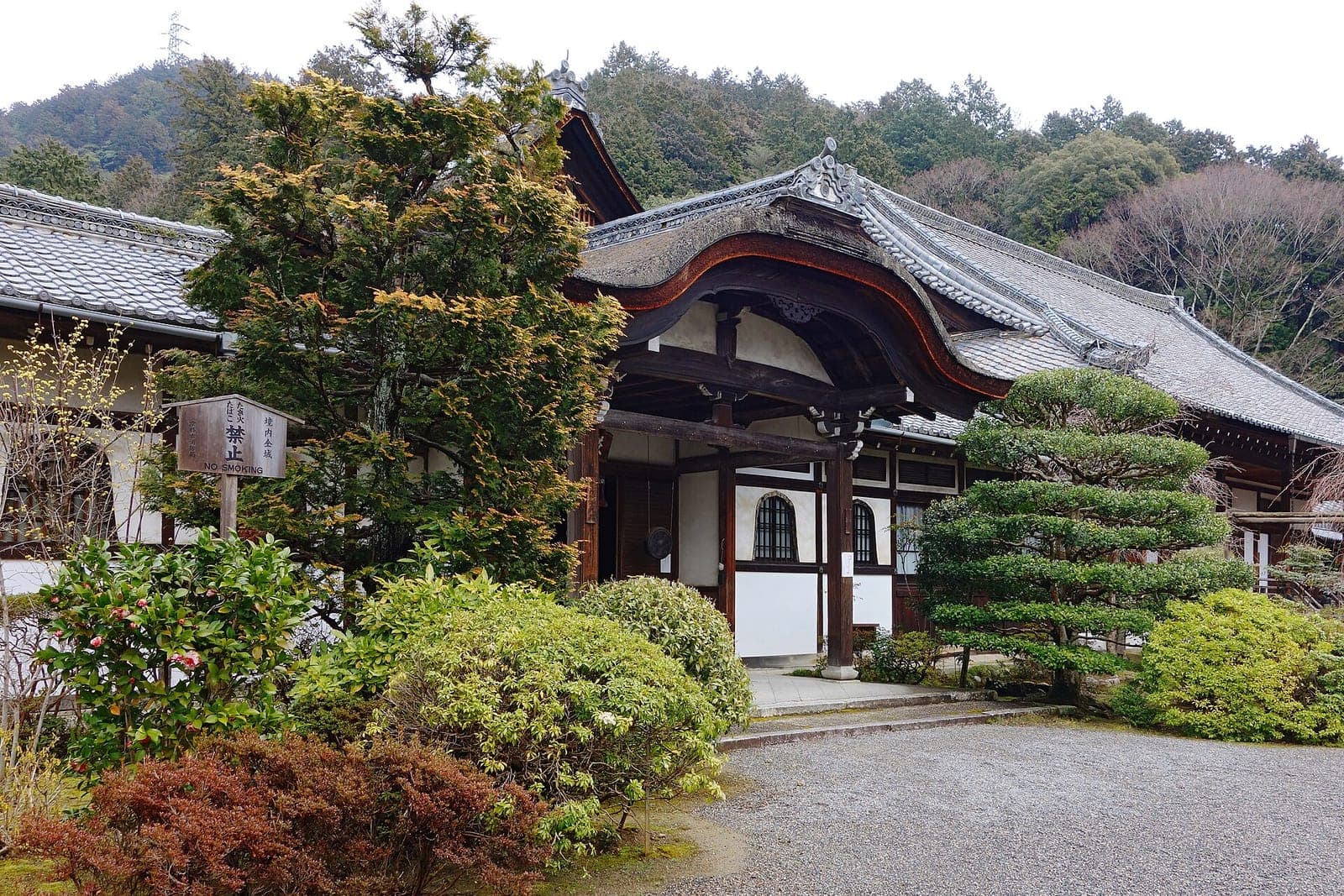
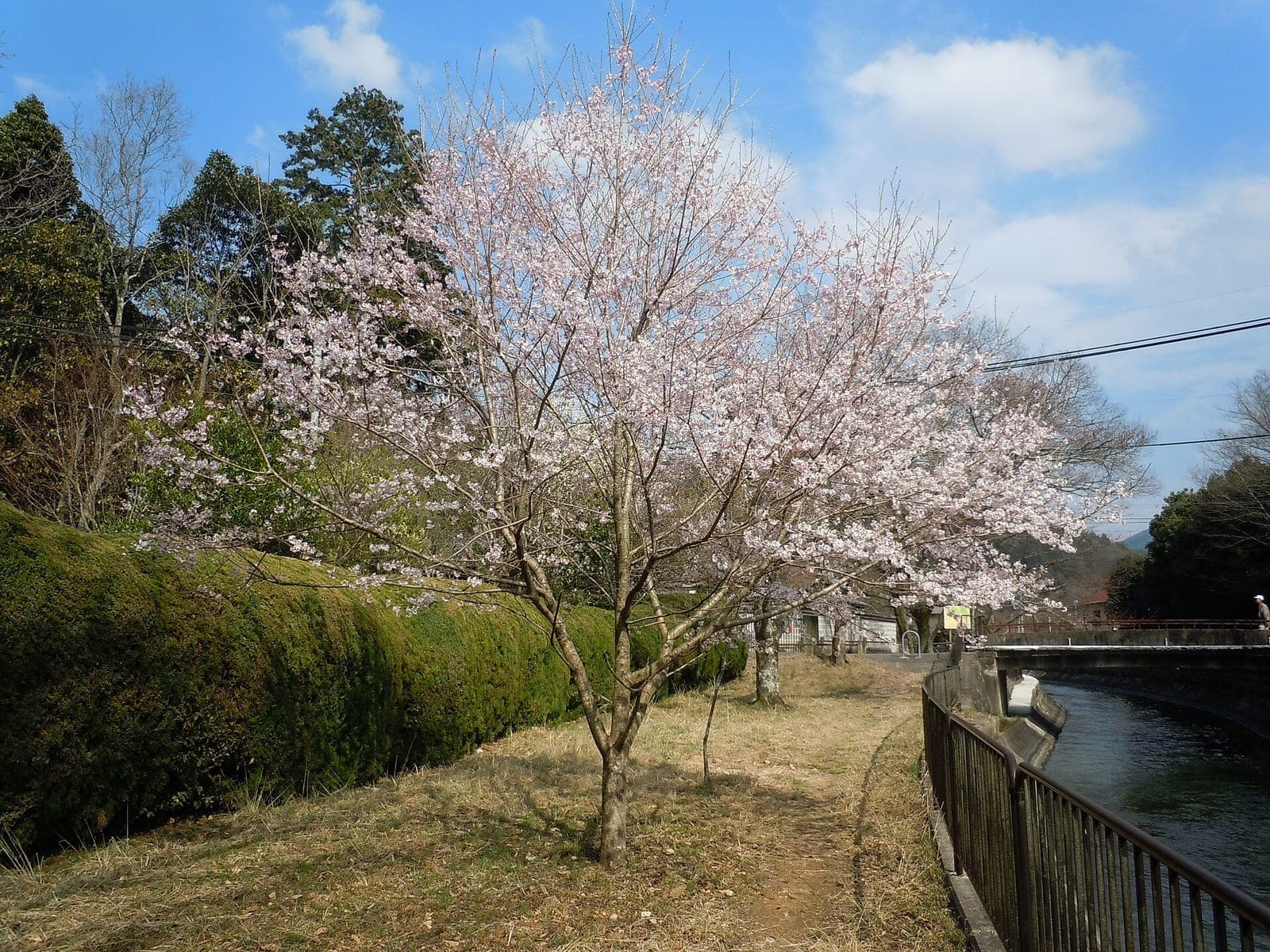
Only a short train ride from Kyoto Station, Yamashina feels distinctly calmer than Higashiyama or Arashiyama. A foothill temple and canal promenade anchor the visit.

Allow
Half a day
Best season
Cherry blossom or autumn
Best for
Easy walking, canals and low-key local Kyoto

Suggested route

Yamashina Station → Bishamon-do → Yamashina Canal → Honkoku-ji or Ansho-ji area

Look for

Cherry blossom and autumn colorCanal promenadeQuiet residential streetsFoothill temples

Kyoto 08

Eight deeper Kyoto picks

A focused mix of mountain faith, Zen gardens, craft, sake, imperial design and life beyond the center.

  1. 01Ohara & Sanzen-in
  2. 02Kifune Shrine
  3. 03Kurama-dera
  4. 04Nanzen-ji & Murin-an
  5. 05Daitoku-ji Complex
  6. 06Fushimi Sake District
  7. 07Takao's three temples
  8. 08Katsura or Shugakuin Imperial Villa